The Island
Good to Know
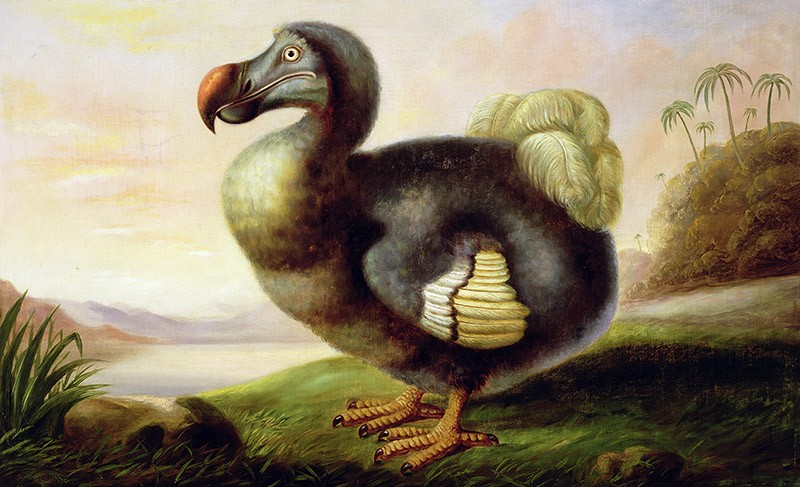
The Dodo
Found nowhere else on earth, the flightless dodo lived only in Mauritius until it was hunted to extinction in the late 1600s. It is still the island's most famous symbol and appears on the national coat of arms.
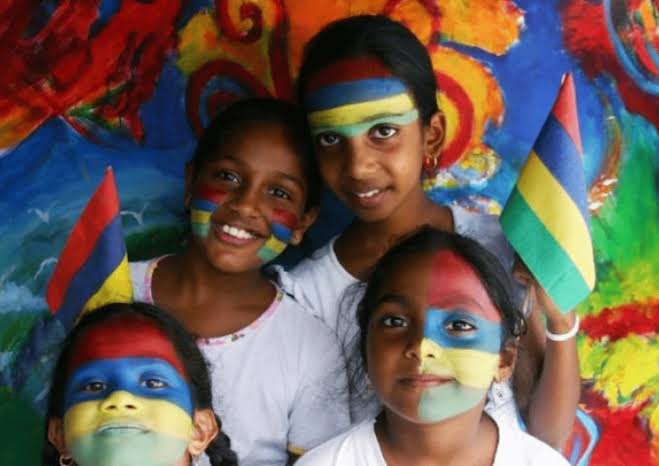
One Island, Many Roots
Families here trace their roots to India, Africa, China, and France. Hindu, Christian, Muslim, and Buddhist communities live side by side, and most public holidays are shared across more than one of them.
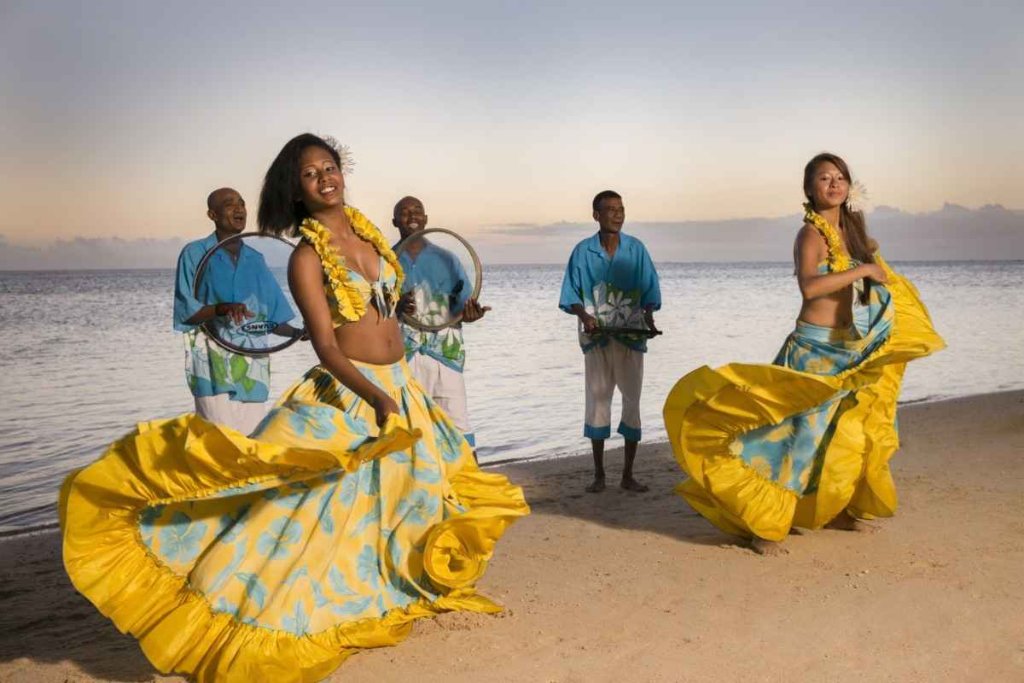
How to Say Hello
Mauritius' official language is English, which runs the Government and Parliament. However, French fills the newspapers and daily formality, and the language everyone speaks is French Creole. You will often hear all three in one conversation, and a simple bonzour (bonjour), good morning, goes a long way.
Mauritian Rupee (MUR)
Drives on the left
No army
GMT+4
What to Eat
A Table Like No Other
Mauritian cuisine is the story of the island itself. Indian spices, Chinese techniques, French refinement, and African soul, all on one plate. Street food is essential. Markets are unmissable. These are our favourites.
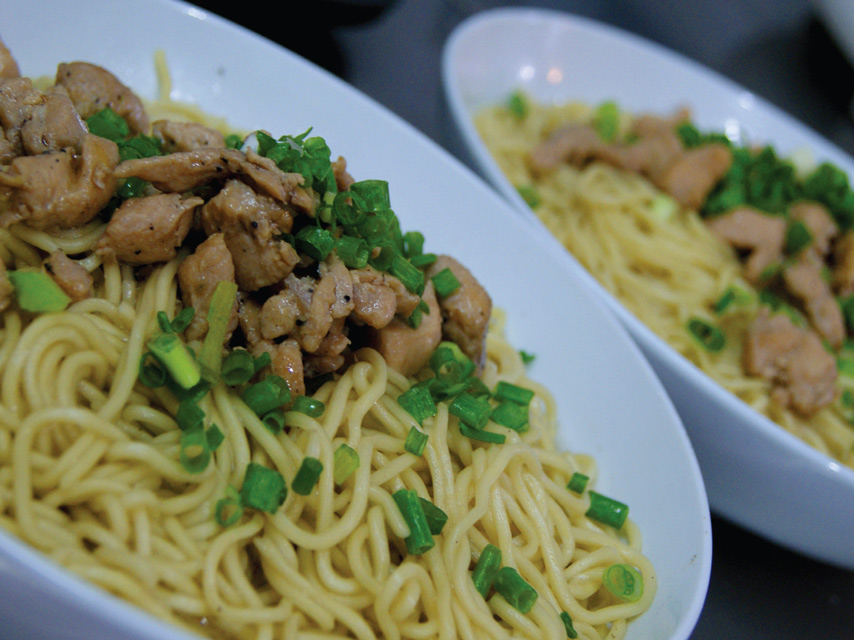
Mine Bouille
Boiled noodles in a fragrant broth with vegetables and spices. Comforting, uniquely Mauritian, and Dean's favourite dish on the island.
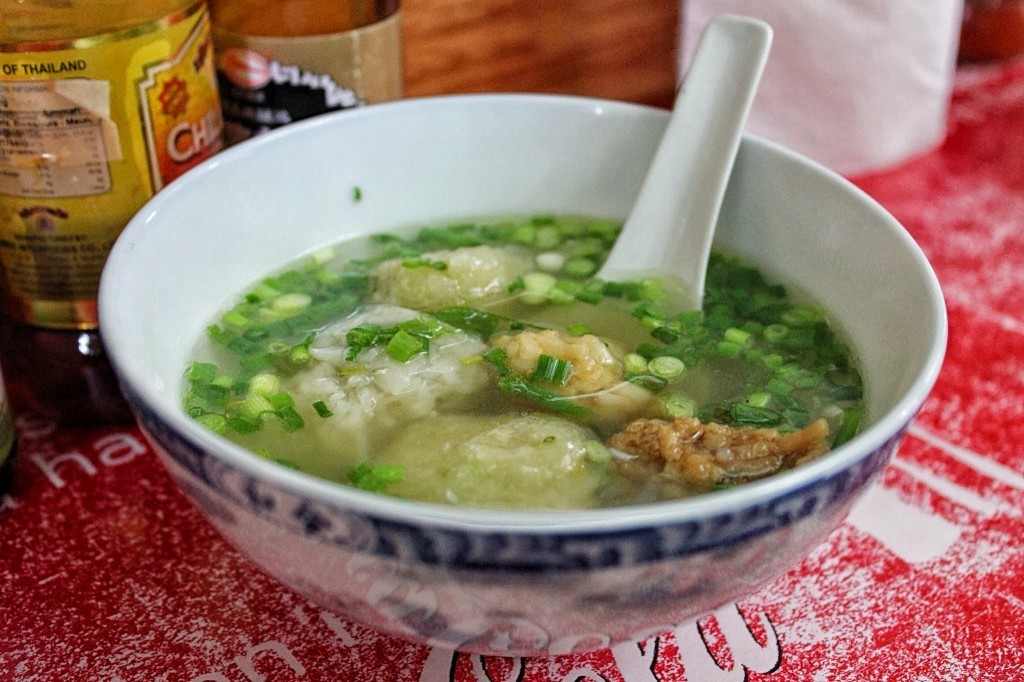
Boulettes
Steamed dumplings sold at markets and roadside stalls. A legacy of Chinese immigration, eaten with chopsticks and chili sauce.
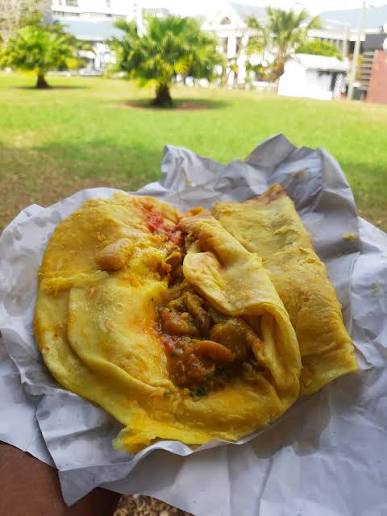
Dalpuri
A thin flatbread stuffed with ground split peas, folded around curry or chutney. The ultimate Mauritian street food, eaten at any hour.
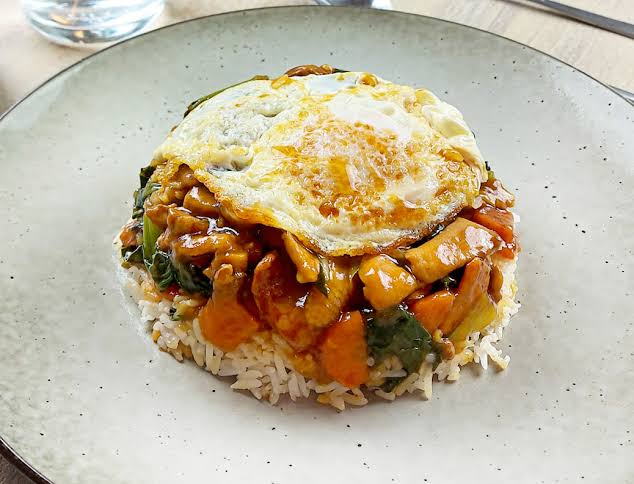
Bol Renversé
Literally an upside down bowl. Rice, meat, egg and sauce pressed into a bowl and flipped onto the plate. Chinese-Mauritian comfort food at its finest.
A Brief History
The Story of an Island
A volcanic island in the Indian Ocean, unlike anywhere else on earth.
Before 1598
Silence
It begins with silence. For most of human history, Mauritius sat undiscovered in the middle of the Indian Ocean, known only to passing Arab and Malay sailors who left no permanent mark.
1598
The Dutch
Dutch sailors landed and named the island after Prince Maurice of Nassau. They stayed long enough to hunt the dodo to extinction and strip much of the ebony forest, then abandoned it in 1710.
1715
The French
The French arrived and saw what the Dutch had missed. They built roads, towns, and plantations, and renamed the island Isle de France. To work the land, they brought enslaved people from Africa and Madagascar. A colony took shape, built on forced labour and fertile soil.
1810
The British
Britain seized the island during the Napoleonic Wars. When slavery was abolished in 1835, plantation owners needed new labour. Hundreds of thousands of indentured workers arrived from India, and smaller numbers from China, trading one form of hardship for another, but planting roots that would define the island forever.
Over Generations
The Blending
Each wave of arrivals brought something: a language, a faith, a spice, a tradition. Over generations these did not merely coexist. They blended. Creole emerged as the language everyone shared. Curries carried both Indian and French influence. A Hindu temple might stand beside a mosque, a church beside a Chinese pagoda.
1968 and Beyond
Independence
Mauritius gained independence in 1968 and became a republic in 1992. In under six decades it transformed from a sugar-dependent colony into one of Africa's most prosperous nations, with a diversified economy built on tourism, financial services, and technology.
Today
The Nation
1.3 million people call this island home. Hindu, Muslim, Christian, and Buddhist communities live side by side. Four languages are spoken widely: Creole, French, English, and Bhojpuri. Diwali, Eid, Christmas, and Chinese New Year are all public holidays. There is no army. The island that was built by wave after wave of arrivals has become, quietly and remarkably, one of the most stable and prosperous nations on the African continent.